Have you ever gotten a message of emojis and thought, “what does this even mean?” You’re not the one. Emojis are like their language now. One little symbol can totally change how a sentence feels. It can make a serious message funny. Create confusion if you use it wrong.
People use emojis more than ever in 2026. In chats, comments, captions and at work.. They don’t always mean what you think. Some emojis have meanings. Others depend on whos talking, where you’re talking or just how you know the person.
This guide is here to help you get what emojis really mean. We’ll keep it simple and real. You’ll learn how people actually use emojis in conversations. By the end you’ll feel more confident using them and understanding what others are trying to say.
Why Emoji Meanings Matter More Than Ever
Emojis aren’t for fun. They show emotion, tone and hidden messages. A plain text message can feel cold.. Add an emoji and suddenly its warm, funny or even sarcastic.
For example “Okay” feels pretty neutral.. Okay 😊” feels friendly. “Okay 🙂” can feel a bit passive-aggressive depending on the situation.
Getting these differences right helps you avoid misunderstandings. It also helps you read between the lines when someones texting you.
How Emoji Meanings Change With Context
Here’s the thing: emojis don’t have fixed meanings. The same emoji can mean things based on how and where you use it.
Take the crying face emoji 😭. It can mean sadness. People also use it to show they’re laughing. Someone might say, “That was so funny 😭 ” and they’re not sad all.
The context also depends on whos talking to you. Friends might use emojis in a way while at work people use them more carefully.
So learning emoji meanings isn’t about memorizing a dictionary. It’s about getting the tone, situation and intent.
Common Emoji Categories and What They Really Mean
Smiling and Happy Emojis
Smiling emojis are super common. They have subtle differences. A simple smiling face 😊 usually means you’re happy or being polite. It feels warm and friendly.
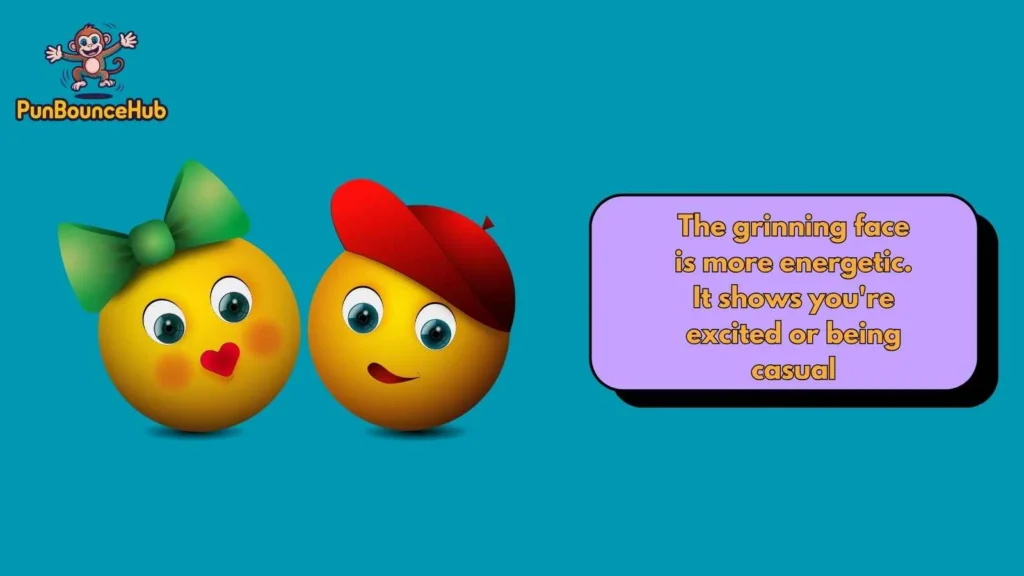
The grinning face 😀 is more energetic. It shows you’re excited or being casual.
The smiling face 🙂 can be tricky. Sometimes it’s polite. It can also feel forced or sarcastic. It really depends on the message.
Laughing Emojis
The laughing face 😂 is an one. It shows somethings funny. It’s one of the popular emojis out there. The rolling on the floor laughing emoji 🤣 takes it up a notch. It means somethings funny you’re dying. Some people, especially younger ones are using the skull 💀 to mean “I’m dead from laughter.”
Love and Heart Emojis
Heart emojis are simple but powerful. The red heart ❤️ usually means love or strong affection. The pink hearts 💕 feel more playful or cute. The black heart 🖤 can mean emotion or a darker vibe. The sparkling heart 💖 adds excitement. Its often used in messages. Even though hearts seem straightforward the color and style can change the tone.
Sad and Emotional Emojis
The crying face 😢 shows sadness or disappointment. It’s a way to express feelings. The crying face 😭 is stronger. It can show sadness or a big reaction. The pleading face 🥺 is often used to show vulnerability. It’s popular in chats.
Frustrated Emojis
The angry face 😠 is clear. It shows frustration or irritation. The face with steam from nose 😤 often means annoyance or pride. These emojis are used carefully because they can change the tone of a conversation.
Sarcasm and Hidden Meanings
Some emojis aren’t used literally. They carry sarcasm or hidden tone. The smirking face 😏 is often. Suggestive. It can also show confidence. The upside-down face 🙃 is commonly used for sarcasm or awkwardness. These emojis rely on context. Their meaning can shift quickly.
Emojis That Have Changed Meaning Over Time
Language changes and emojis do too. Some emojis mean something now than a few years ago.
The skull 💀 used to mean death. Now it often means somethings
The fire emoji 🔥 still means heat. Its also used for something impressive or trending.
The clown face 🤡 used to be about clowns. Now its often used to call out behavior.
Using Emojis Naturally in Conversations
To sound natural find a balance. Many emojis can be overwhelming. Too few can feel cold.
Think of emojis as hints. Use them to support your message.
Pay attention to the person. If they use emojis a lot you can match their style.
Over time you’ll develop your style.
Mistakes to Avoid When Using Emojis
One big mistake is assuming everyone interprets emojis the way. Cultural differences and personal habits can change meanings.
Another mistake is using emojis in conversations.
It’s also easy to overuse trending emojis without understanding them.
The safest approach is to keep it clear and use emojis to enhance.
FAQs:
What does the 🙂 emoji really mean?
It usually shows politeness or a mild smile.. It can feel passive or sarcastic.
Why do people use 💀 for laughter?
It means “I’m dead from laughing.”
Are emoji meanings the same
No meanings can change based on culture, age group and context.
How emojis should I use in one message?
One or two is usually enough.
Can emojis be used in chats?
Yes,. Use them carefully.
Conclusion:
Emojis play a role in how we communicate. They add emotion, clarity and personality.
Understanding emoji meanings isn’t about memorizing symbols. It’s, about recognizing tone, context and how people use them.
As you keep using emojis you’ll notice patterns. Develop your own style.

Suleman is a passionate and detail-oriented writer who believes in the power of clear, meaningful, and well-researched content. With a strong focus on quality and authenticity, he aims to deliver information that is both engaging and easy to understand for readers worldwide.
Driven by curiosity and continuous learning, Suleman enjoys exploring diverse topics and presenting them in a professional yet reader-friendly way. His goal is to create content that builds trust, adds value, and leaves a lasting impression on audiences across the globe.