Humor changes with every generation, but one thing never really goes out of style—clever puns. In 2026, puns are more than just cheesy jokes shared by dads at dinner tables. They’ve become a huge part of internet culture, social media captions, memes, marketing campaigns, and everyday conversations. From short videos and viral tweets to coffee mugs and birthday cards, trendy puns are everywhere.
Part of what makes puns so popular today is how fast and playful online communication has become. People love quick humor that is smart, relatable, and easy to share. A good pun can turn a simple sentence into something memorable. It makes people pause for a second, recognize the hidden meaning, and smile when they “get it.”
In this article, you’ll explore some of the most trendy puns of 2026, understand why they work, and learn how people use them in real life and online spaces. Instead of just throwing random jokes at you, we’ll break them down naturally so you can actually understand the wordplay and maybe even create your own.
Why Puns Are So Popular in 2026
The internet has changed the way humor spreads. Short-form content on social media platforms rewards quick and clever writing. A pun fits perfectly into that world because it delivers humor in just a few words.
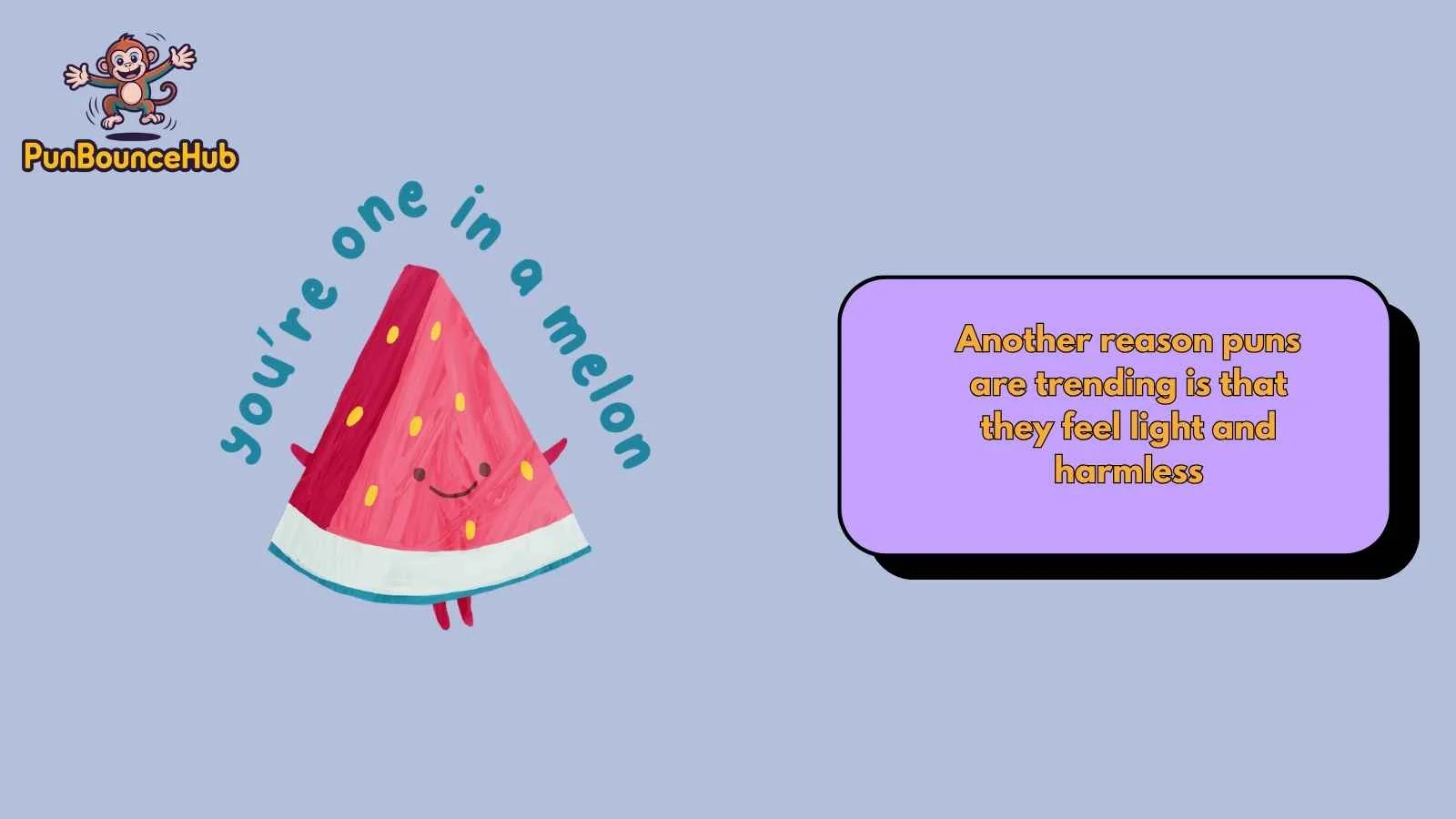
Another reason puns are trending is that they feel light and harmless. In a world where people often deal with stress and nonstop information, playful humor feels refreshing. A witty pun can brighten someone’s mood without trying too hard.
Brands and influencers have also started using puns more creatively in marketing. Restaurants use food puns in menus, fashion brands use wordplay in slogans, and content creators use puns to make captions more engaging. People remember clever language because it feels more personal and creative than plain text.
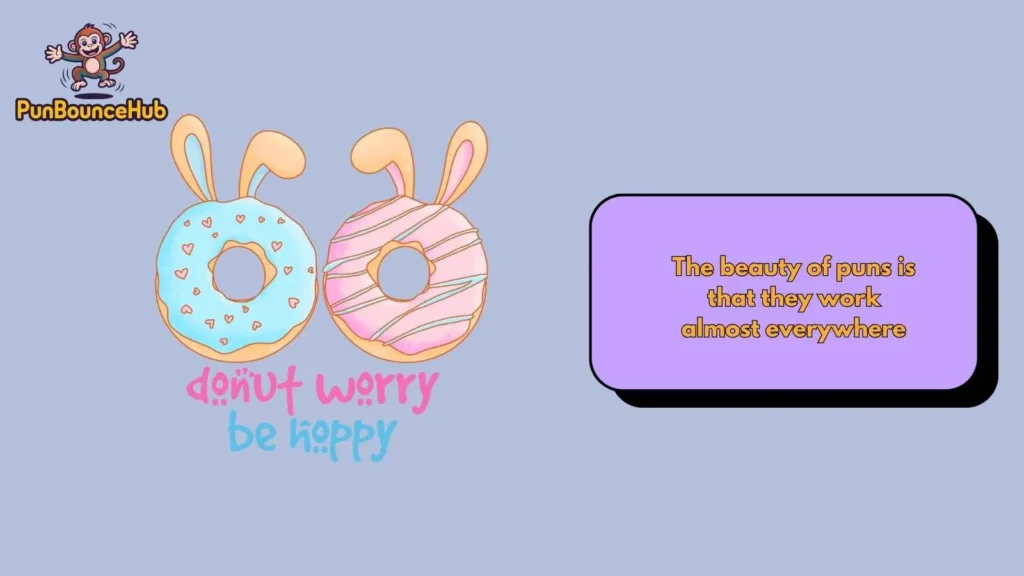
The beauty of puns is that they work almost everywhere. Whether you’re posting a selfie, texting a friend, or creating a birthday card, a smart pun instantly adds personality.
Trendy Puns Everyone Is Loving in 2026
One of the most popular puns this year is:
“Main character energy? More like pun character energy.”
This joke plays on the popular phrase “main character energy,” which describes someone acting like the star of their own movie. Replacing “main” with “pun” creates a playful twist that feels modern and social-media-friendly. People use this pun when posting funny or dramatic content online.
Another trending example is:
“I’m on a seafood diet. I see food, and I eat it.”
This classic pun continues to survive in 2026 because it’s simple and instantly understandable. The humor comes from the double meaning of “seafood” sounding like “see food.” It works because listeners expect a serious statement about dieting but get something completely unexpected instead.
People often use this joke in food photos, restaurant captions, or casual conversations about eating too much.
Then there’s the modern digital-style pun:
“Wi-Fight me.”
This one combines “Wi-Fi” and “fight me.” It’s often used jokingly when someone loses internet connection or argues about slow Wi-Fi. The humor comes from mixing technology language with internet slang in a smooth and relatable way.
A person might tweet:
“Router stopped working during my meeting. Wi-Fight me.”
The reason it works is because internet problems are universally relatable in modern life.
How Trendy Puns Connect With Online Culture
A huge reason puns are thriving in 2026 is meme culture. Social media users constantly remix language, trends, and expressions. Puns naturally fit this style because they rely on creativity and timing.
For example:
“Resting beach face.”
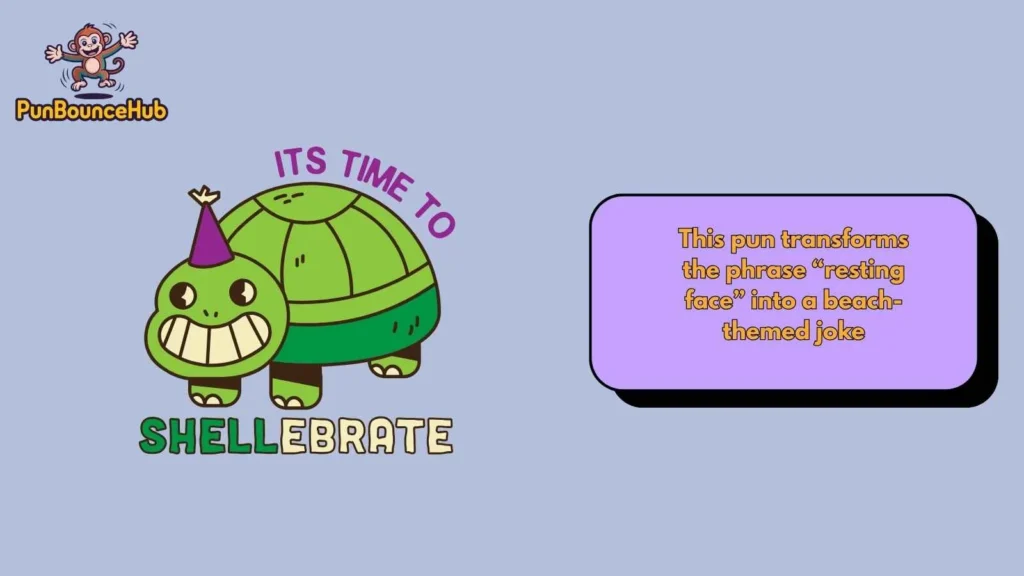
This pun transforms the phrase “resting face” into a beach-themed joke. It’s especially popular in travel captions and vacation posts. Someone posting sunset photos might use it to sound funny and relaxed at the same time.
Another example gaining popularity is:
“No cap-puccino.”
This combines the slang phrase “no cap,” meaning “I’m serious,” with cappuccino coffee. Coffee lovers especially use this pun in café photos and TikTok videos.
What makes these jokes effective is their connection to modern language trends. They blend internet slang with everyday topics, making them feel current instead of outdated.
Trendy puns are very best Puns of the articles.
The Secret Behind a Good Pun
A great pun usually works because the brain recognizes two meanings at once. That small moment of surprise creates humor. It’s almost like solving a tiny puzzle in your head.
For example:
“I used to be addicted to soap, but I’m clean now.”
At first, “clean” sounds literal because soap is involved. Then you realize “clean” also means free from addiction. That double meaning creates the joke.
Strong puns usually have three qualities:
They sound natural The hidden meaning is easy to recognize They connect to something relatable
If a pun feels too forced, people usually won’t enjoy it. The best puns feel effortless, even though they’re actually very clever.
How People Use Puns in Daily Life
Puns are no longer limited to comedy shows or joke books. In 2026, they appear naturally in everyday communication.
People use puns in Instagram captions because they make posts more memorable. A gym selfie saying “Abs-olutely crushing it” feels more entertaining than a basic motivational caption.
Businesses also use puns to sound approachable and fun. A bakery might advertise with:
“Donut worry, be happy.”
This kind of humor helps brands feel more human and friendly.
Even dating apps have become filled with puns. Many users write playful bios because humor instantly makes profiles more attractive and memorable. A line like:
“I’m nacho average person”
sounds more engaging than a generic introduction.
Puns also work well because they encourage interaction. People love responding with laughing emojis, comments, or even more puns.
Learning to Create Your Own Trendy Puns
Creating puns is easier once you start noticing how language sounds. Most puns rely on similar pronunciation or double meanings.
One simple method is to take a common phrase and replace one word with something that sounds similar.
For example:
- “Pasta la vista”
- “Olive you”
- “Lettuce celebrate”
These work because the substituted words still sound close enough to the original phrase for the listener to recognize it immediately.
Another technique is using modern slang or trending phrases. Since internet culture changes quickly, combining current expressions with wordplay makes your jokes feel fresh.
For example:
“Low battery? That’s a re-charge-ing problem.”
It helps to think casually instead of trying too hard. Natural-sounding puns usually land better than overly complicated ones.
Why Puns Make Content More Engaging
Writers, marketers, and creators love puns because they increase engagement. Humor makes content easier to remember and share.
When readers laugh or smile, they connect emotionally with the content. That emotional reaction improves interaction online. A funny caption often performs better than a plain one because people are more likely to comment or share it.
Puns also make communication feel less formal. They create a relaxed and friendly tone that people enjoy.
This is especially important in 2026 because audiences are tired of robotic or overly polished content. People want personality. They want creativity. Puns help provide both in a simple way.
The Future of Puns Beyond 2026
As language continues evolving online, puns will probably become even more creative. AI-generated humor, internet slang, gaming culture, and viral trends are constantly creating new opportunities for wordplay.
But despite all these changes, the core appeal of puns remains the same: they make language playful.
Humans naturally enjoy discovering hidden meanings and clever twists. That’s why puns continue surviving generation after generation, even when humor styles change.
The format may evolve, but the fun never disappears.
FAQs:
What are trendy puns?
Trendy puns are modern wordplay jokes that match current internet culture, slang, and social media humor styles.
Why are puns so popular on social media?
Puns are short, witty, and easy to share. They grab attention quickly and make captions or comments more entertaining.
How can I create my own pun?
Start with a common phrase and replace a word with something that sounds similar or has a double meaning.
Are puns good for marketing?
Yes. Puns make brands sound more memorable, friendly, and creative, which helps increase engagement.
Can puns improve writing?
Definitely. They add personality, humor, and creativity, making content feel more human and enjoyable to read.
Conclusion:
Trendy puns in 2026 are much more than simple jokes. They’ve become part of digital culture, online communication, branding, and everyday humor. Their popularity comes from their ability to make language feel playful, clever, and relatable all at once.
Whether it’s a funny caption, a witty marketing slogan, or a clever text message, puns help people connect through humor in a quick and memorable way. They work because they surprise us, challenge our brains slightly, and reward us with a laugh when we understand the hidden meaning.
The best part is that anyone can learn to create puns with a little creativity and observation. Once you start noticing double meanings and similar sounds in everyday language, you’ll realize opportunities for wordplay are everywhere.
So the next time you post online, text a friend, or write a caption, try adding a pun. You might be surprised how much more fun your words become.

Suleman is a passionate and detail-oriented writer who believes in the power of clear, meaningful, and well-researched content. With a strong focus on quality and authenticity, he aims to deliver information that is both engaging and easy to understand for readers worldwide.
Driven by curiosity and continuous learning, Suleman enjoys exploring diverse topics and presenting them in a professional yet reader-friendly way. His goal is to create content that builds trust, adds value, and leaves a lasting impression on audiences across the globe.