Have you ever heard a sentence that made you laugh because it had two meanings at once? Maybe someone said, “I used to be a baker, but I couldn’t make enough dough,” and you smiled for a second before realizing the joke.
That clever twist in language is called wordplay, and it appears everywhere around us. From movies and advertisements to daily conversations and social media captions, wordplay gives English a playful and creative side.
Many students struggle with English because they focus only on grammar and vocabulary. While those things matter, language becomes easier and more enjoyable when you understand how people actually use words in real life.
Wordplay helps learners notice hidden meanings, understand humor, and improve communication skills naturally. It also makes writing more memorable and conversations more engaging.
This article explores different examples of wordplay in English in a simple and practical way. You will learn how wordplay works, why it matters, and how people use it in everyday communication. Along the way, you’ll discover funny examples, creative expressions, and useful insights that can help you enjoy English instead of feeling intimidated by it.
What Is Wordplay in English?
Wordplay is the creative use of language to produce humor, double meanings, clever expressions, or interesting effects. It often depends on words that sound alike, have multiple meanings, or can be interpreted in different ways.
English is especially rich in wordplay because many English words sound similar while carrying completely different meanings. This creates endless opportunities for jokes, puns, and clever expressions.
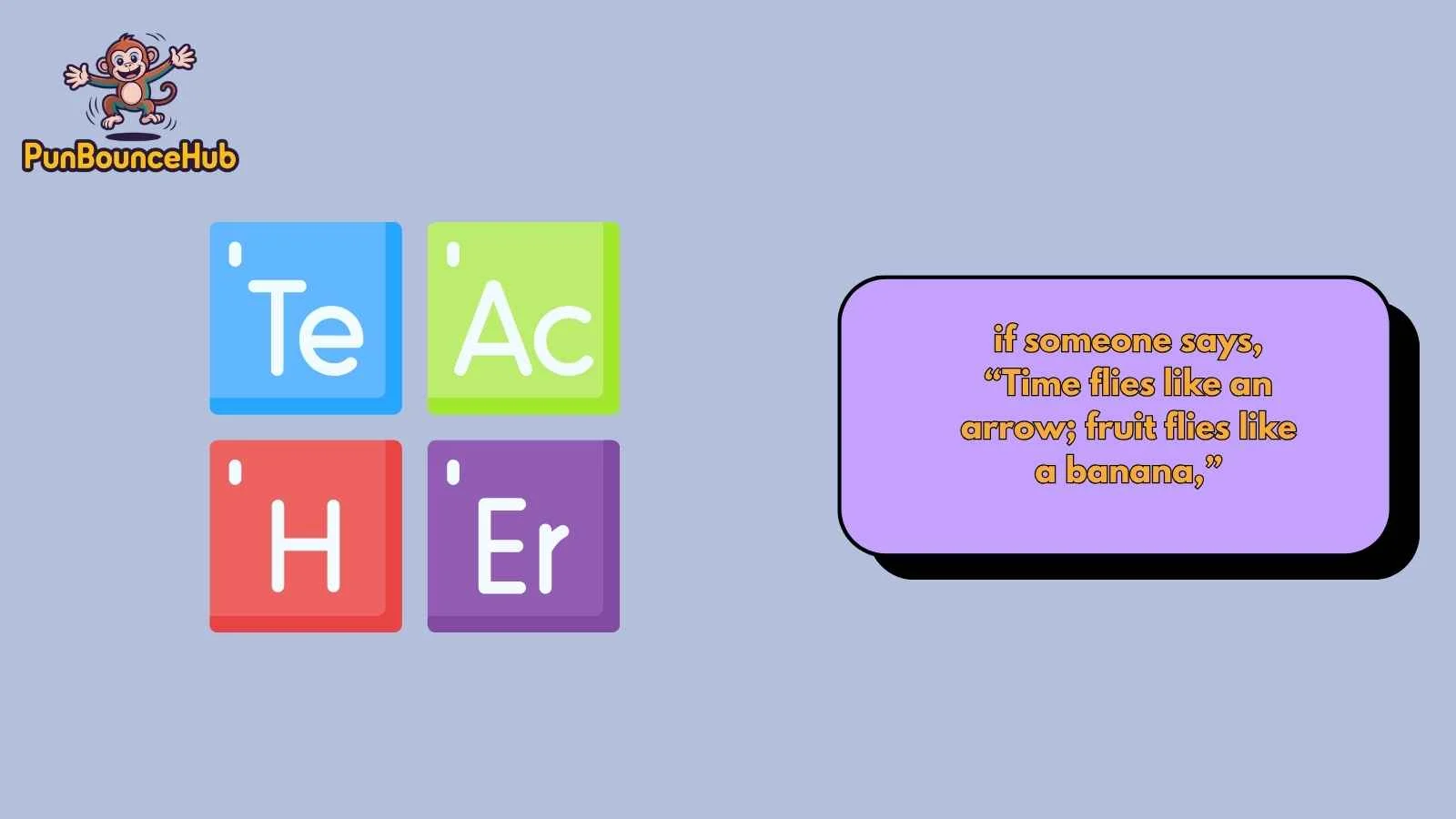
For example, if someone says, “Time flies like an arrow; fruit flies like a banana,” the sentence becomes funny because the meaning changes halfway through. At first, “flies” acts like a verb, but later it refers to insects. That sudden shift surprises the reader and creates humor.
Wordplay is not just for comedians. Writers, teachers, advertisers, and even students use it to make language more lively and memorable.My father ask me for worldplay jokes.
Why Wordplay Matters in Everyday English
Many people think wordplay is only about jokes, but it actually improves communication in several ways. It makes conversations more interesting and helps people connect emotionally through humor and creativity.
When students learn wordplay, they begin to understand how flexible English can be. This improves reading comprehension because many books, movies, and songs contain hidden meanings or playful language. Without understanding wordplay, learners may miss the real message behind a sentence.
Wordplay also strengthens vocabulary. When you see one word used in different ways, your understanding becomes deeper and more natural. Instead of memorizing definitions mechanically, you begin to feel how words behave in real conversations.
Another benefit is confidence. Students who understand humor and clever expressions often feel more comfortable participating in conversations. They stop seeing English as a strict academic subject and start experiencing it as a living language.
Examples of Puns in English
One of the most popular forms of wordplay is the pun. A pun uses words with similar sounds or multiple meanings to create humor.
A classic example is: “I’m reading a book about anti-gravity. It’s impossible to put down.”
The humor comes from the phrase “put down.” Normally, it means stopping reading a book, but anti-gravity literally prevents things from being put down. The sentence connects both meanings at once.
Another funny example is: “The math teacher has too many problems.”
At first, it sounds like the teacher is stressed in life. Then you realize math problems are part of the teacher’s job. The double meaning creates the joke.
Puns appear frequently in advertisements because they make slogans easier to remember. A bakery might say, “We knead your business,” replacing “need” with “knead” because kneading is part of baking. The playful wording sticks in the customer’s mind.
Homophones and Sound-Based Wordplay
Homophones are words that sound the same but have different meanings or spellings. English contains many homophones, making them perfect for wordplay.
Consider this sentence: “The flower shop had a blooming business.”
The word “blooming” describes flowers opening, but it also means growing successfully. This creates a smooth and positive double meaning.
Another example is: “The horse is a stable animal.”
The word “stable” can describe calm behavior, but it is also the place where horses live. Both meanings fit together naturally.
This kind of wordplay trains students to pay close attention to pronunciation and context. Even small changes in sound can completely change meaning in English.
Idioms That Create Playful Meanings
Some English idioms become forms of wordplay when people interpret them literally instead of figuratively.
Imagine someone saying, “I spilled the beans,” and another person replying, “Then clean them up.”
The humor happens because the first person meant revealing a secret, while the second person pretended to understand the literal meaning.
These moments are common in sitcoms and comedy shows. Writers intentionally confuse literal and figurative meanings to create funny misunderstandings.
Students who learn idiomatic wordplay become better at understanding native speakers because many conversations rely on hidden meanings rather than direct explanations.
Wordplay in Literature and Storytelling
Famous writers often use wordplay to make their writing richer and more memorable. Shakespeare was especially known for clever language tricks.
In many classic plays, characters use double meanings to create humor, tension, or emotional depth. A sentence may sound romantic on the surface while secretly carrying sarcasm or criticism underneath.
Modern writers continue this tradition today. Children’s books often use wordplay because it keeps readers entertained while helping them learn language patterns naturally.
For example, fantasy stories sometimes invent funny names or playful expressions that sound familiar but carry magical meanings. This makes fictional worlds feel creative and alive.
Good storytelling depends on memorable language, and wordplay helps writers leave a lasting impression on readers.
How Wordplay Improves Writing Skills
Students who practice wordplay often become stronger writers because they learn to think more creatively about language.
Instead of using predictable sentences, they begin experimenting with rhythm, meaning, and phrasing. This makes their writing feel more natural and engaging.
For example, compare these two lines:
“The coffee was strong.”
“The coffee was so strong it could probably solve my homework.”
The second version creates a stronger image and feels more entertaining because it exaggerates the idea playfully.
Wordplay also teaches students how tone works in writing. A small change in wording can make a sentence sound serious, funny, dramatic, or friendly.
Creative language keeps readers interested. That is why bloggers, marketers, and content creators often include playful wording in headlines and captions.
Common Mistakes Students Make With Wordplay
Many learners try to memorize jokes without understanding why they work. This usually creates confusion because wordplay depends heavily on context and timing.
Another mistake is translating wordplay directly from one language to another. Since humor often relies on pronunciation or cultural references, some jokes lose meaning when translated.
Students also sometimes overuse puns in formal situations. While wordplay can make writing enjoyable, too many jokes may distract readers from the main message.
The best approach is balance. Use wordplay naturally where it fits the tone and purpose of the conversation.
How to Practice Wordplay Naturally
The easiest way to improve at wordplay is exposure. Watch English movies, read humorous captions, and notice how people twist meanings creatively.
Pay attention to signs, advertisements, and social media posts. Many brands use puns because they attract attention quickly.
You can also create your own simple wordplay exercises. Take one word with multiple meanings and try building different sentences around it. This strengthens vocabulary and creativity at the same time.
Reading comics and listening to stand-up comedy can also help students understand how timing and language work together.
The goal is not becoming a comedian overnight. The goal is becoming more comfortable with the playful side of English.
Wordplay in Social Media and Modern Communication
Wordplay has become even more popular because of social media. People love short, clever captions that grab attention instantly.
A fitness page might write, “Abs-olutely working on myself,” combining “abs” with “absolutely.” A coffee shop may post, “Espresso yourself,” replacing “express” with “espresso.”
These small language twists make content feel more human and memorable.
Modern communication moves quickly, so catchy wording matters more than ever. Brands, influencers, and writers all use wordplay to stand out in crowded online spaces.
Students who understand these patterns can communicate more naturally in digital conversations.
FAQs:
What is the simplest definition of wordplay?
Wordplay is the creative use of words to create humor, double meanings, or clever effects in language.
Why is wordplay important in English?
Wordplay helps improve vocabulary, reading comprehension, creativity, and conversational understanding. It also makes language more enjoyable.
Are puns and wordplay the same thing?
Puns are one type of wordplay. Wordplay is a broader category that includes puns, idioms, double meanings, and sound-based humor.
Can wordplay improve English speaking skills?
Yes. Understanding playful language helps learners communicate more naturally and understand native speakers better.
Why do advertisements use wordplay?
Advertisements use wordplay because clever phrases are easier to remember and more likely to catch attention.
Is wordplay difficult for beginners?
It can feel confusing at first, but regular exposure to English conversations, movies, and jokes makes it easier over time.
Conclusion:
Learning English becomes much more enjoyable when you discover its creative side. Wordplay shows that language is not only about rules and grammar. It is also about imagination, humor, emotion, and human connection.
From puns and idioms to clever advertisements and funny conversations, examples of wordplay in English appear everywhere. They help people express ideas in memorable ways while making communication more entertaining.
For students, understanding wordplay can improve confidence, strengthen vocabulary, and make reading and speaking feel more natural. Instead of seeing English as something stressful, learners begin to experience it as something flexible and alive.
The more you notice playful language around you, the easier it becomes to understand hidden meanings and enjoy conversations. Over time, even simple jokes and clever phrases can help you feel more connected to the language itself.

Suleman is a passionate and detail-oriented writer who believes in the power of clear, meaningful, and well-researched content. With a strong focus on quality and authenticity, he aims to deliver information that is both engaging and easy to understand for readers worldwide.
Driven by curiosity and continuous learning, Suleman enjoys exploring diverse topics and presenting them in a professional yet reader-friendly way. His goal is to create content that builds trust, adds value, and leaves a lasting impression on audiences across the globe.