Have you ever heard a pun so silly that you groaned and laughed at the same time? Maybe someone said, “I used to be a baker, but I couldn’t make enough dough,” and even though it sounded cheesy, it still made you smile. That strange reaction is exactly what makes puns interesting. People often call them “bad jokes,” yet they continue to appear in conversations, movies, advertisements, classrooms, and social media posts every single day.
The truth is, puns are more than simple word tricks. They connect with the brain in a unique way. A pun forces the mind to pause, notice two meanings at once, and suddenly switch perspectives. That tiny mental surprise creates amusement. It is almost like the brain rewards itself for solving a quick puzzle.
Many people assume puns are just childish humor, but psychology tells a different story. Researchers have found that wordplay can improve memory, strengthen social bonding, reduce stress, and even encourage creative thinking. Understanding why puns are funny helps explain how humor works inside the human mind.ITs my orignal hand made article.
This article explores the psychology behind puns, how the brain reacts to wordplay, why some people love them while others cringe, and what puns reveal about human communication and intelligence.
The Simple Definition of a Pun
A pun is a joke that plays with multiple meanings of words or similar-sounding words. It creates humor by leading the listener in one direction and then suddenly revealing another meaning.
For example, if someone says, “Time flies like an arrow; fruit flies like a banana,” the sentence tricks the brain into interpreting the phrase differently halfway through. The humor comes from that unexpected shift.
Puns are often short, but the mental process behind them is surprisingly complex. The brain has to recognize both meanings quickly and connect them together. That instant mental switch is what creates the humorous effect.
Unlike slapstick comedy, which relies on physical actions, puns depend entirely on language and interpretation. They ask the brain to participate actively instead of simply observing.Puns MAke us laugh and very funny and crispy.
Why the Brain Enjoys Solving Wordplay
Human brains naturally look for patterns. From childhood, people learn to connect sounds, meanings, and experiences. When a pun appears, it temporarily disrupts those normal expectations.
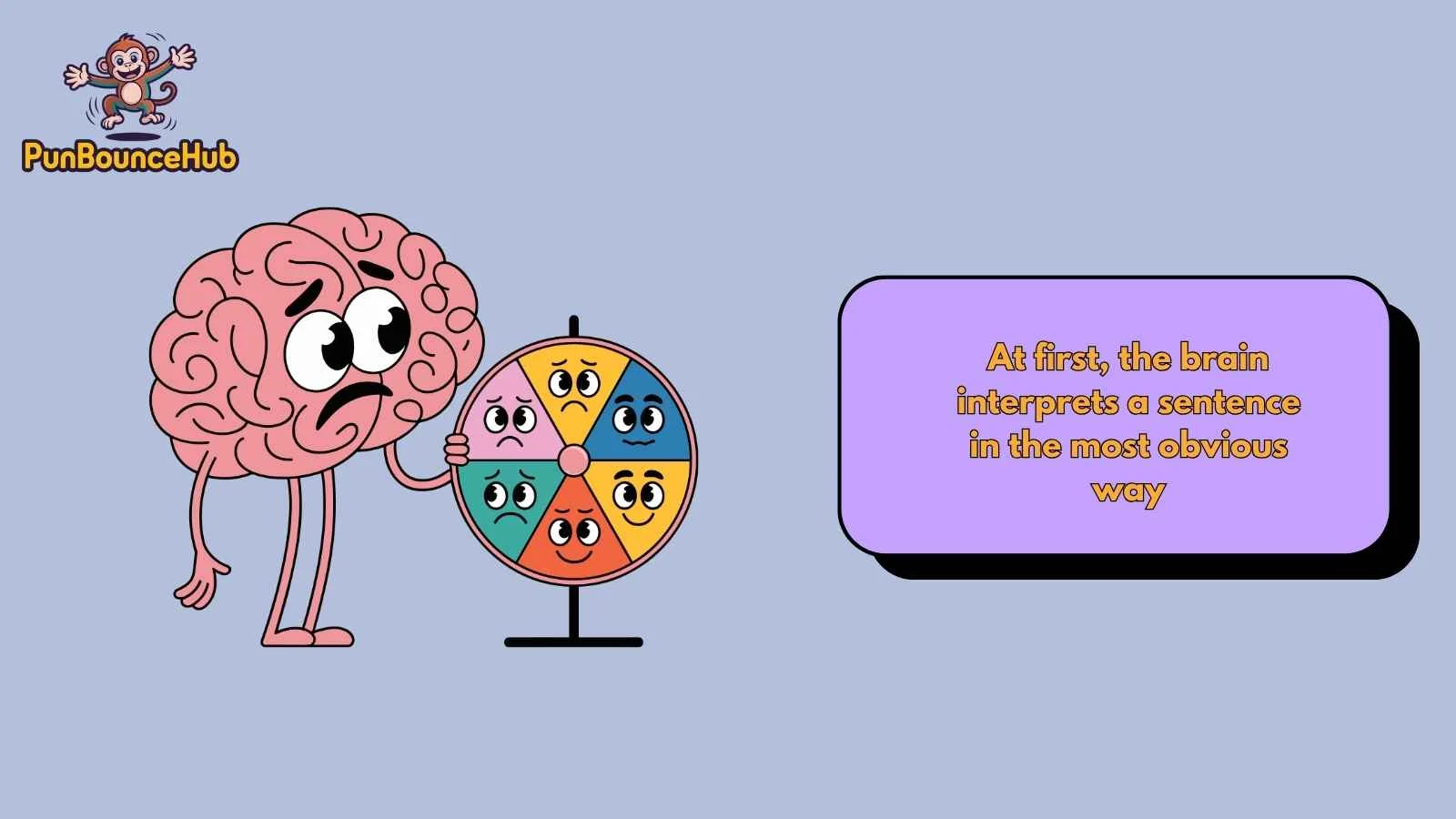
At first, the brain interprets a sentence in the most obvious way. Then the hidden meaning suddenly appears. This creates a small moment of confusion followed by understanding. Psychologists often describe humor as the release of tension after surprise.
Think of it like solving a tiny puzzle. The brain enjoys reaching the answer because it creates a feeling of satisfaction. Even simple puns trigger this process.
For example, hearing “I’m reading a book about anti-gravity. It’s impossible to put down,” forces the mind to recognize two meanings of “put down.” Once the connection clicks, the brain experiences pleasure from understanding the joke.
This reaction explains why people sometimes laugh even at terrible puns. The humor is not always about the quality of the joke itself. Sometimes the enjoyment comes from the mental challenge.
The Surprise Factor in Humor
One major reason puns work is surprise. Humans often laugh when expectations suddenly change.
Imagine listening to a normal sentence. Your brain automatically predicts what comes next based on grammar and meaning. A pun interrupts that prediction. The unexpected twist catches attention immediately.
Psychologists call this “incongruity theory.” According to this idea, humor happens when two incompatible meanings collide in a harmless way. Puns are perfect examples because they combine conflicting interpretations inside a single sentence.
The surprise does not last long, but it creates enough mental excitement to trigger amusement. That is why quick puns often work better than long explanations. The faster the twist appears, the stronger the effect can be.
Why Some People Love Puns and Others Hate Them
Puns create mixed reactions. Some people enjoy them deeply, while others roll their eyes the moment they hear one. Psychology helps explain both reactions.
People who enjoy language, creativity, and mental puzzles usually appreciate puns more. They like discovering hidden meanings and noticing clever word connections. For them, the humor feels playful and smart.
On the other hand, some people dislike puns because the jokes interrupt normal communication. Instead of focusing on the conversation, the listener suddenly has to decode language tricks. If the pun feels forced or predictable, it may create annoyance instead of laughter.
Personality also matters. Research suggests that people with a stronger appreciation for creativity and abstract thinking are often more open to wordplay humor.
Cultural background can also influence reactions. Since puns depend heavily on language, they may lose their effect when translated into another language or culture.
Puns and Intelligence
Many people associate puns with intelligence because they require flexible thinking. Creating a good pun involves recognizing multiple meanings, similar sounds, and unexpected connections between ideas.
The brain must process language rapidly to understand wordplay. This mental flexibility is linked to verbal intelligence and creative thinking.
Children often struggle with puns at first because their brains are still learning how language works. As vocabulary and understanding improve, they begin appreciating wordplay more easily.
Adults who enjoy reading, writing, or language-based humor may naturally develop stronger pun recognition skills. This does not mean people who dislike puns are less intelligent. Humor preferences vary widely. Still, understanding puns does involve a surprisingly advanced mental process.
The Social Power of Puns
Puns are not only about laughter. They also help people connect socially.
Friends often use puns during relaxed conversations because wordplay creates a playful atmosphere. Even silly jokes can reduce tension and make interactions feel warmer.
Teachers sometimes use puns in classrooms to keep students engaged. A clever language joke can help learners remember information more easily because humor improves memory and attention.
Advertising companies also rely heavily on puns. A catchy slogan with wordplay sticks in the mind longer than a plain sentence. The brain enjoys processing the joke, which makes the message more memorable.
Even awkward “dad jokes” serve a social purpose. They create harmless embarrassment and shared reactions, which strengthen relationships over time.
Why Groan-Worthy Puns Still Work
One of the strangest things about puns is that people often laugh while pretending not to enjoy them. This happens because the humor exists on two levels.
First, the brain recognizes the clever word connection. Then the person judges the joke as silly or overly obvious. That combination creates a mix of amusement and embarrassment.
Groaning at a pun becomes part of the experience itself. In many social situations, the reaction is almost expected.
This explains why “bad puns” continue surviving despite constant criticism. Their awkwardness actually contributes to their charm.
The Role of Timing in Pun Humor
Timing matters greatly in comedy, and puns are no exception.
A well-timed pun delivered naturally during conversation often feels funny because it catches people off guard. The same joke repeated too often may lose its effect completely.
Good comedians understand this principle. They place wordplay carefully instead of forcing it into every sentence.
In everyday life, spontaneous puns usually work better because they feel genuine. Unexpected humor creates stronger emotional reactions than rehearsed jokes.
Can Puns Reduce Stress?
Laughter has long been connected to emotional relief. While puns may seem small, they can still improve mood and reduce stress temporarily.
Humor helps interrupt negative thought patterns. Even a short moment of laughter can relax the body and shift attention away from worries.
Puns are especially useful because they are lighthearted and harmless. Unlike aggressive humor, they rarely target people directly. This makes them safe and socially comfortable in many situations.
During stressful days, simple wordplay can provide a quick mental break. That is one reason humorous social media accounts and joke pages remain so popular online.
Why Puns Continue to Survive Across Generations
Puns have existed for centuries. Ancient literature, plays, and poems all contain examples of wordplay. Despite changing cultures and technologies, puns remain popular because they connect deeply with how humans process language.
Every generation discovers new slang, new meanings, and new opportunities for jokes. Language constantly evolves, which keeps puns alive.
Modern internet culture has actually increased pun usage. Memes, captions, and short-form content rely heavily on fast humor, making wordplay more visible than ever before.
The simplicity of puns also helps them survive. They do not require expensive production or complicated storytelling. Sometimes a single sentence is enough to create laughter.
FAQs:
Why do people laugh at puns?
People laugh at puns because the brain enjoys unexpected meaning shifts. The humor comes from surprise and the satisfaction of understanding the hidden wordplay.
Are puns good for the brain?
Puns can encourage creative thinking and mental flexibility because they require the brain to process multiple meanings quickly.
Why do some people dislike puns?
Some people find puns annoying because they interrupt normal conversation or feel overly predictable. Humor preferences vary from person to person.
Are puns considered intelligent humor?
Puns often involve verbal intelligence and creative language skills. Understanding them requires quick mental connections between words and meanings.
Can puns improve memory?
Humor can make information more memorable. Since puns create mental surprise, they may help people remember phrases or ideas more easily.
Why are dad jokes usually puns?
Dad jokes often rely on simple wordplay because they are family-friendly, harmless, and easy to understand. Their awkward style is part of the humor.
Conclusion:
Puns may seem simple on the surface, but the psychology behind them reveals something fascinating about the human mind. They show how language, surprise, creativity, and emotion all work together inside everyday communication.
The reason puns are funny is not just because of the words themselves. The real humor comes from the brain’s reaction to unexpected meanings and quick mental shifts. Even when people groan at a pun, their minds are still enjoying the playful challenge hidden inside the joke.
Whether you love puns or pretend to hate them, their lasting popularity proves that humans naturally enjoy clever language and shared laughter. A small play on words can turn an ordinary conversation into something memorable, and sometimes that tiny moment of humor is enough to brighten an entire day.

Suleman is a passionate and detail-oriented writer who believes in the power of clear, meaningful, and well-researched content. With a strong focus on quality and authenticity, he aims to deliver information that is both engaging and easy to understand for readers worldwide.
Driven by curiosity and continuous learning, Suleman enjoys exploring diverse topics and presenting them in a professional yet reader-friendly way. His goal is to create content that builds trust, adds value, and leaves a lasting impression on audiences across the globe.